
Monroe Arrest Blotter Archive
The MCSO Zone Blotter is a narrative archive. It is not a jail roster. The sheriff's office says the weekly series is paused and points readers to current news releases instead. Entries from 2024 and 2025 tend to cover about two weeks apiece. The archive lists 37 entries. That count can change. Each entry describes selected sheriff incidents by zone, and a booking that appears in the jail's received report may be missing entirely, since no booking-photo roster sits behind this archive.
Search Monroe Arrest Narratives
Use the blotter as a lead, then confirm details against custody and court sources.
- Open the Zone Blotter and select the period containing the incident date.
- Search the page for a town, street, or name because entries are narrative.
- Check MCSO news releases for newer material.
- Use the received and released reports to test whether a jail event appears.
- Follow the court docket for amendments and final disposition.
See the Arrested Today page for the newest admission window, a separate feed from this multi-day archive.
What Monroe Reports Show
Each source answers a different question, and none is a full criminal-history database.
| Source | Time view and limit |
|---|---|
| Zone Blotter | Archived multi-day narratives; paused and selective. |
| MCSO news | Current story-driven releases; not every incident. |
| MCJ received | Latest displayed admissions in a rolling PDF. |
| MCJ released | Latest displayed departures, not case outcomes. |
A blotter date is not the arrest time. Keep the event date, the jail's book time, publication, and any court date separate.
Monroe Posting Gaps
No official weekend or holiday schedule governs either report. A gap may just mean the series is paused. It could also reflect a delayed report or editorial selection, and it never proves that an arrest did not occur.
Older Monroe Arrest Records
For an older Monroe County record, file through Monroe County FOIL. Include the name, date, agency, JID, and exact item. The county sets a five-business-day window to grant, deny, or acknowledge a request. Standard pages cost at most $0.25.
State retention rules keep some prisoner master summaries permanently. Many case files survive for spans tied to discharge or death. Retention is not access, though; sealing, privacy, juvenile, and investigative rules can all block release. The county arrest-record hub pulls those paths together.
Monroe Arrest News Sources
Local outlets pick which Monroe County arrests to cover. 13WHAM, WHEC, RochesterFirst, Spectrum News 1, WXXI, and the Democrat and Chronicle each choose individual cases, and their pictures may be scene photos, file art, or surveillance stills rather than booking photos. The 13WHAM local page shows that story-based format.
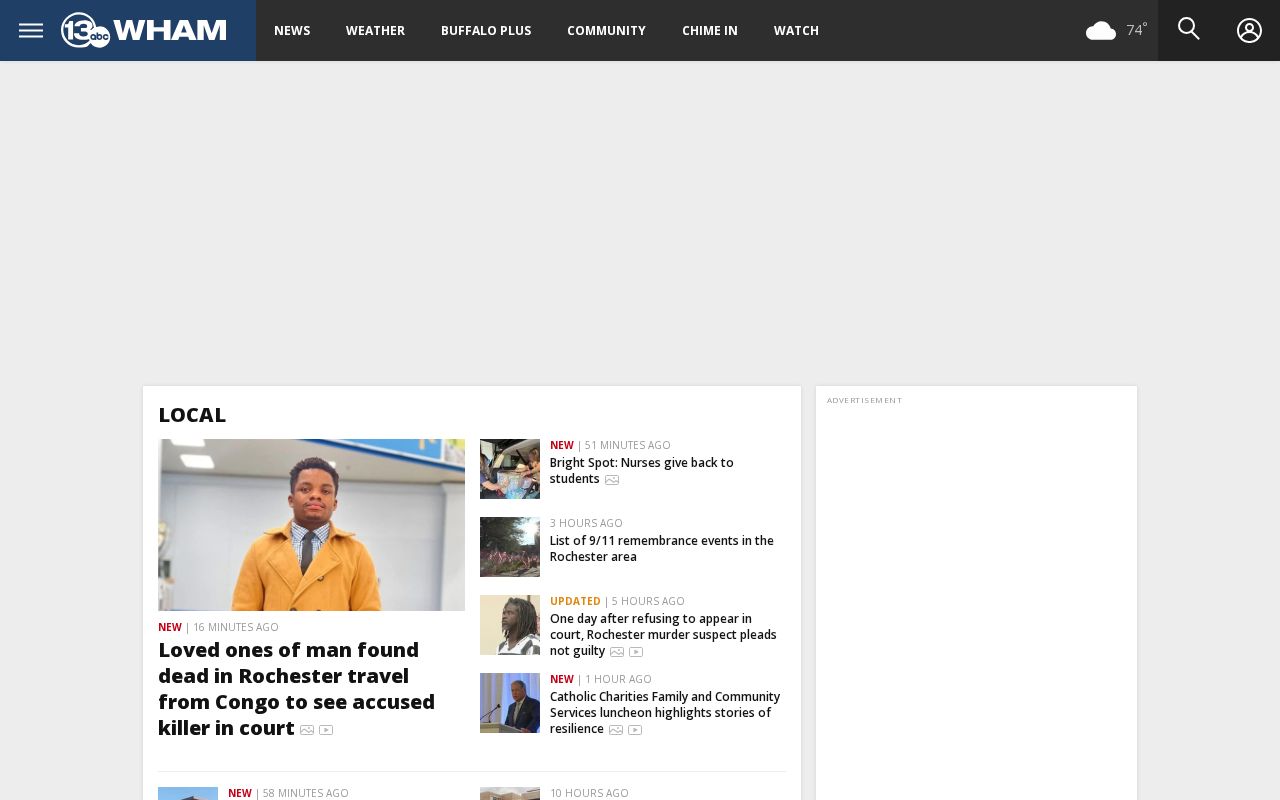
News reports can point toward a record. Check any claim with the police, jail, or court source cited. The unofficial MCJ Search dashboard repackages public MCJ data. It says it refreshes every six hours. It is not government-run, and no dashboard settles a legal outcome.
Reports Are Not Convictions
Charges can change as a case moves. For the disposition, check New York eCourts and the correct clerk.
Monroe Arrest Archive Windows
The archive's own labels reveal its multi-day rhythm. One entry ran '8/28/25 - 9/10/25.' Another read '8/14/25 - 8/27/25.' Others cover similar stretches. These roughly two-week blocks collect selected sheriff zone narratives rather than a daily census, so an arrest in an MCJ intake report can go unmentioned. The dated cards on the MCSO Zone Blotter page show the format.
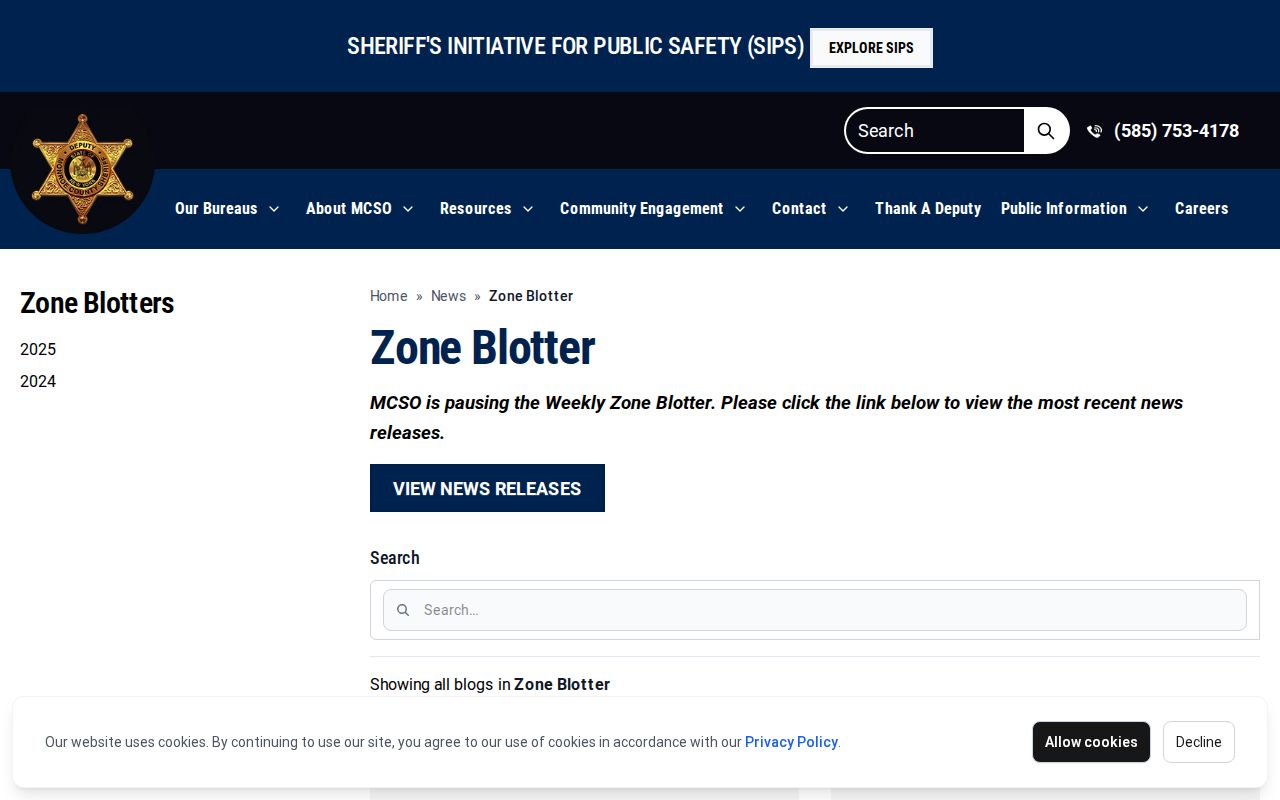
The sheriff's office promises no permanent raw archive or schedule.
Monroe Arrest Entry Fields
A Zone Blotter post is plain prose. Its fields vary by incident. An entry may name a town, sheriff zone, date, reported conduct, investigating unit, person, alleged charge, or property. A missing detail does not mean what a blank field in a jail table means.
| Possible detail | Useful reading | Limit |
|---|---|---|
| Date range | The span named for the blotter post. | Not one person's arrest time. |
| Zone or place | Where the incident was grouped. | Not proof of the booking office. |
| Narrative | The agency account at publication. | Not a complete court file. |
| Name and charge | An charge tied to a selected event. | Not a conviction or final charge. |
| Custody statement | Status reported in the story. | May change after publication. |
| Photograph | May be absent or case-specific. | No complete booking-photo roster exists here. |
Keep four dates apart: incident, booking, publication, and court. The order matters. It explains why an old event can draw a late news post, and why one blotter window cannot say who is in custody now.
Monroe Arrest Maps Differ
Rochester Police publishes a public crime map. It covers Part I crimes since 2011, with new data added daily and sometimes delayed. Rape is omitted for privacy. That defined scope makes it useful for spotting incident patterns. It is not a Monroe County arrest log. A mapped event does not show that police arrested anyone. Nor does it prove MCJ later booked them. The RPD crime-mapping page gives the city's own explanation of the tool.
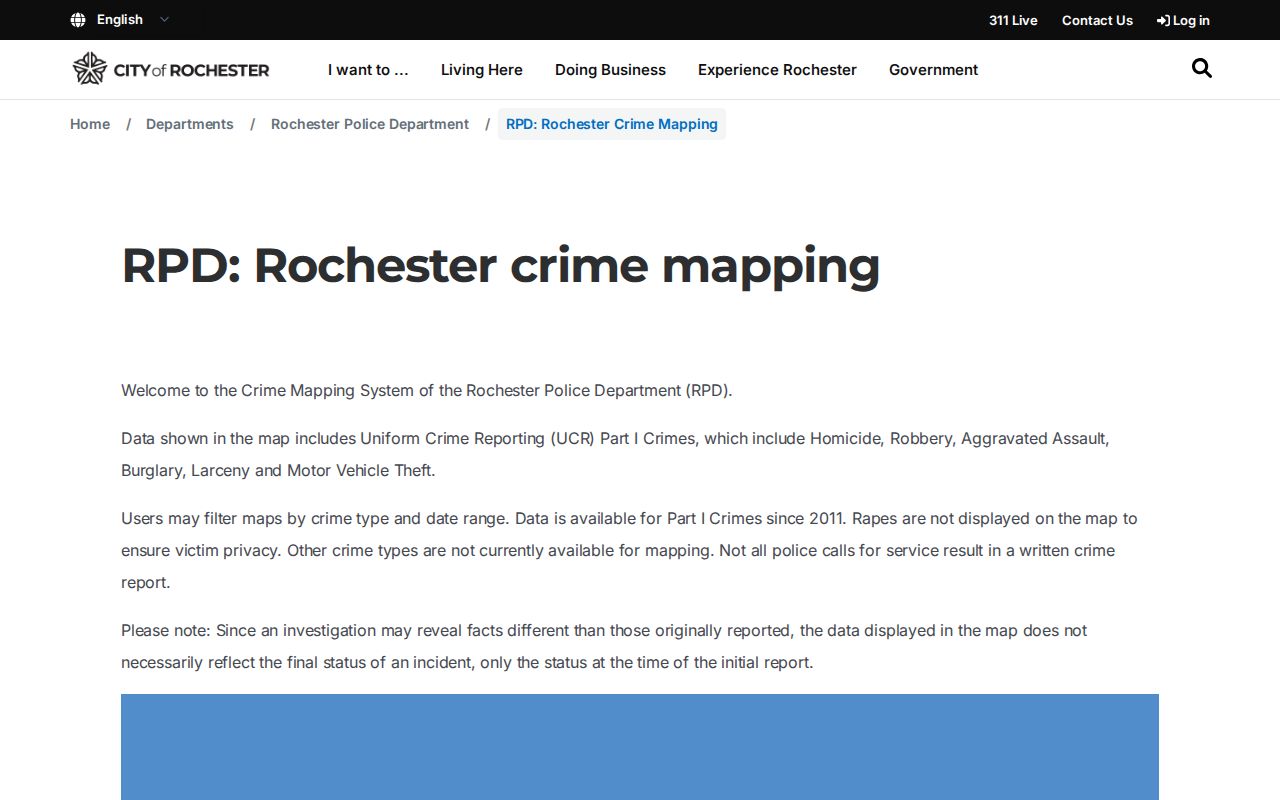
The map adds place and trend context. For a person's booking, custody, or disposition, MCJ and court sources still do the work.
Retaining Monroe Arrest Records
New York keeps jail paperwork on fixed schedules. Under the state's local-government incarceration schedule, the prisoner master summary is permanent. That summary covers commitments, discharges, and identity details. Most prisoner data files and case records run 15 years from death or discharge, unless they replace the permanent summary. Facility logs and population counts run shorter.
Retention does not mean a Monroe County arrest file stays public. FOIL, sealing, juvenile, privacy, victim, and active-investigation rules still limit release. A booking photo can sit in a retained file yet never appear in the web reports. Old requests need specifics. Name the record series, the rough date, the agency, the facility, the person, and the JID if you have one.
Court history travels a different road. New York Courts lists Monroe County Court records back to 1821, plus Supreme Court and older series. Some boxes live offsite. Call the clerk before visiting. Court archives add case context, not a jail-photo trove.
Check Monroe Arrest Sources
Official sources come first, always. The sheriff blotter holds older narratives. Current MCSO releases cover newer selected events. MCJ reports show who is in custody, and the right court holds the disposition. Then turn to local news. The Democrat and Chronicle, 13WHAM, WHEC, RochesterFirst, Spectrum News 1 Rochester, and WXXI choose cases for public interest and editorial value, not every booking.
News photos vary. They may be scene photos, surveillance stills, file art, staff work, or agency-supplied pictures. An image in a story never proves Monroe County runs a mugshot gallery. Watch the attribution instead. Phrases like "police said" and "court records show" tell you which institution supplied each claim.
MCJ Search is an unofficial dashboard. It reformats public MCJ received, released, and current-population data and refreshes every six hours. Treat it as a secondary index only. No government operates it, and listings can lag. RecentlyBooked's New York list leaves Monroe off. Wrong-state Monroe results are common too.
The official custody files answer narrower questions than the blotter. Received shows new jail admissions in its displayed range. Census describes people currently in custody, with bond, court, agency, and charge fields. Released lists recent departures. None gives an incident narrative or a lasting archive. All four official jail PDFs omit photographs.
News stories change after publication. Check the update time and the source line, then compare against the agency release. A named charge belongs with the proper court clerk for the later result.
Old event past the web window? One focused county FOIL request beats searching endless mirrors. State the document you want and enough facts to locate it.